
Located on the Indigenous homelands of the Pocomoke and Occohannock people, Chincoteague National Wildlife Refuge protects beach, dune, marsh, and maritime forest habitats. Established in 1943 to protect migratory birds, this refuge is now one of the most visited in the United States. This gem of Eastern Virginia is a
Maybe — confirm before you go.
This U.S. Fish and Wildlife Service site may charge a fee your pass covers — confirm before you go.
- Fee type Fee unknown — The fee structure here is unconfirmed.
- Source Find on Recreation.gov ↗
- Last verifiedJuly 6, 2026 · Check
- Official pagewww.recreation.gov ↗
- Contact 757-336-6122 · fw5rw_cnwr@fws.gov
Common questions
Quick Yes / No / Depends answers for Chincoteague National Wildlife Refuge — always confirm with the managing site before you go.
Depends Does the America the Beautiful pass work here?
Maybe — This U.S. Fish and Wildlife Service site may charge a fee your pass covers — confirm before you go. Check with the managing agency before you go.
Yes Can you fish at Chincoteague National Wildlife Refuge?
Yes — fishing is one of the listed activities here. You’ll need a valid state fishing license.
Yes Can you kayak, paddle, or boat here?
Yes — there’s water for boating and paddling at Chincoteague National Wildlife Refuge. Hand-launched craft usually need no permit; motorized boats may need registration or a launch fee.
Yes Can you swim here?
Yes — swimming is available at Chincoteague National Wildlife Refuge. There are typically no lifeguards, so swim at your own risk and check conditions.
Yes Are there hiking trails?
Yes — trails here include Woodland Trail, D Dike Road, C Dike Road, and more. Check length and difficulty before you go.
Yes Can you bike here?
Yes — biking is available at Chincoteague National Wildlife Refuge. Confirm which roads or trails allow it.
Yes Can you watch wildlife or birds here?
Yes — Chincoteague National Wildlife Refuge is a spot for wildlife and bird watching. Keep your distance and never feed animals.
Depends Can you bring a dog?
Often restricted to protect wildlife — many refuges limit or prohibit pets. Check this refuge before you go.
No Are drones allowed?
No — launching, landing, or operating drones is prohibited on National Wildlife Refuge land.
Nearby sites
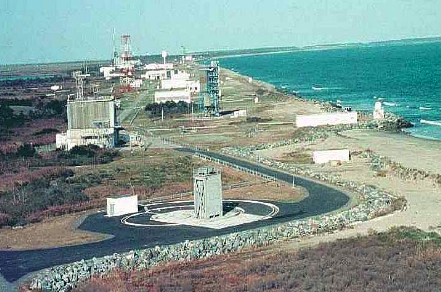 NASA / Public domain · Wikimedia Commons U.S. Fish & Wildlife Service
 Wallops Island National Wildlife Refuge
CheckThis U.S. Fish and Wildlife Service site may charge a fee your pass covers — confirm before you go.
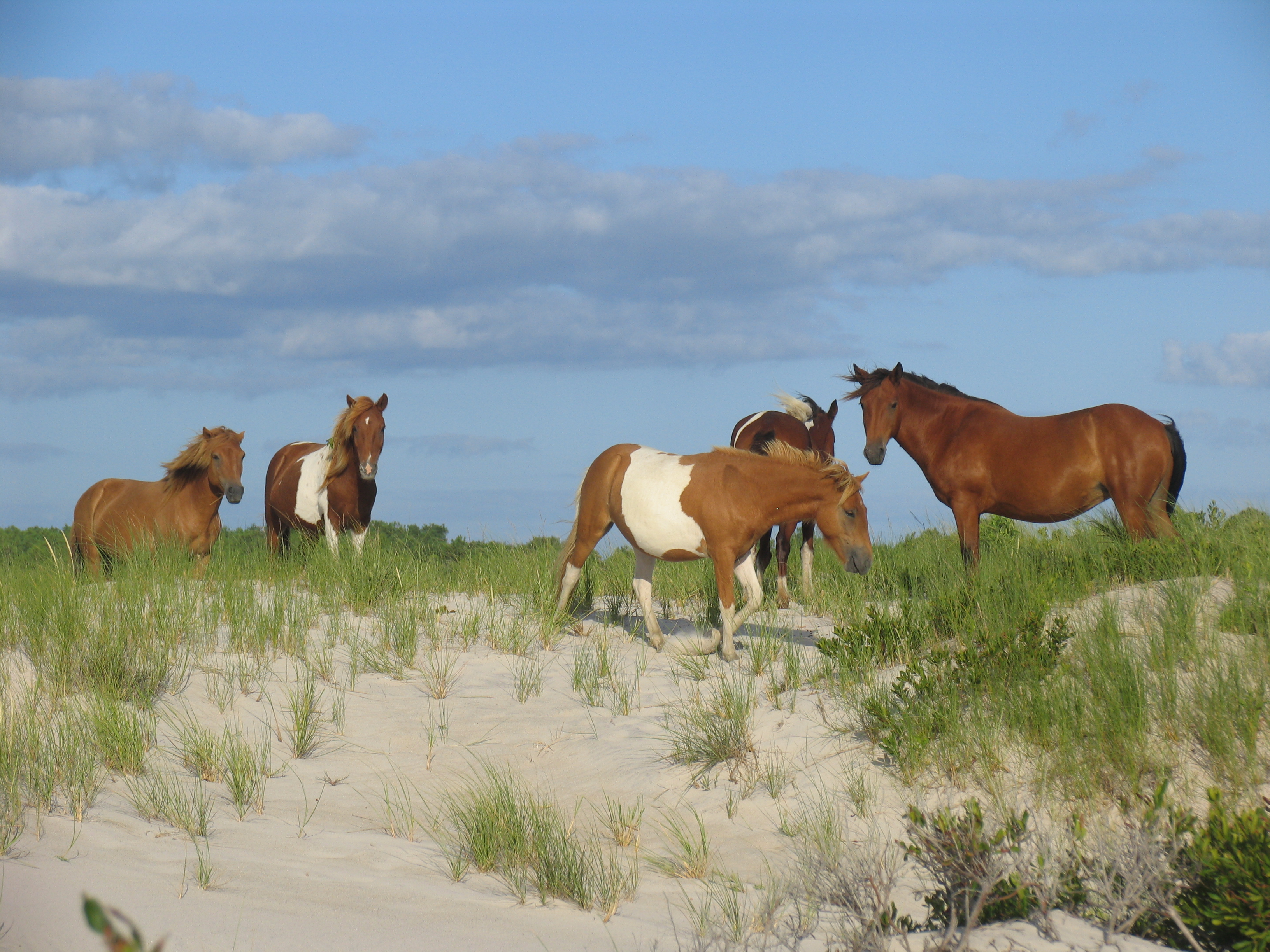 NPS Photo National Park Service
 Assateague Island National Seashore
ConfirmedYour pass covers the $25 park entrance fee.

